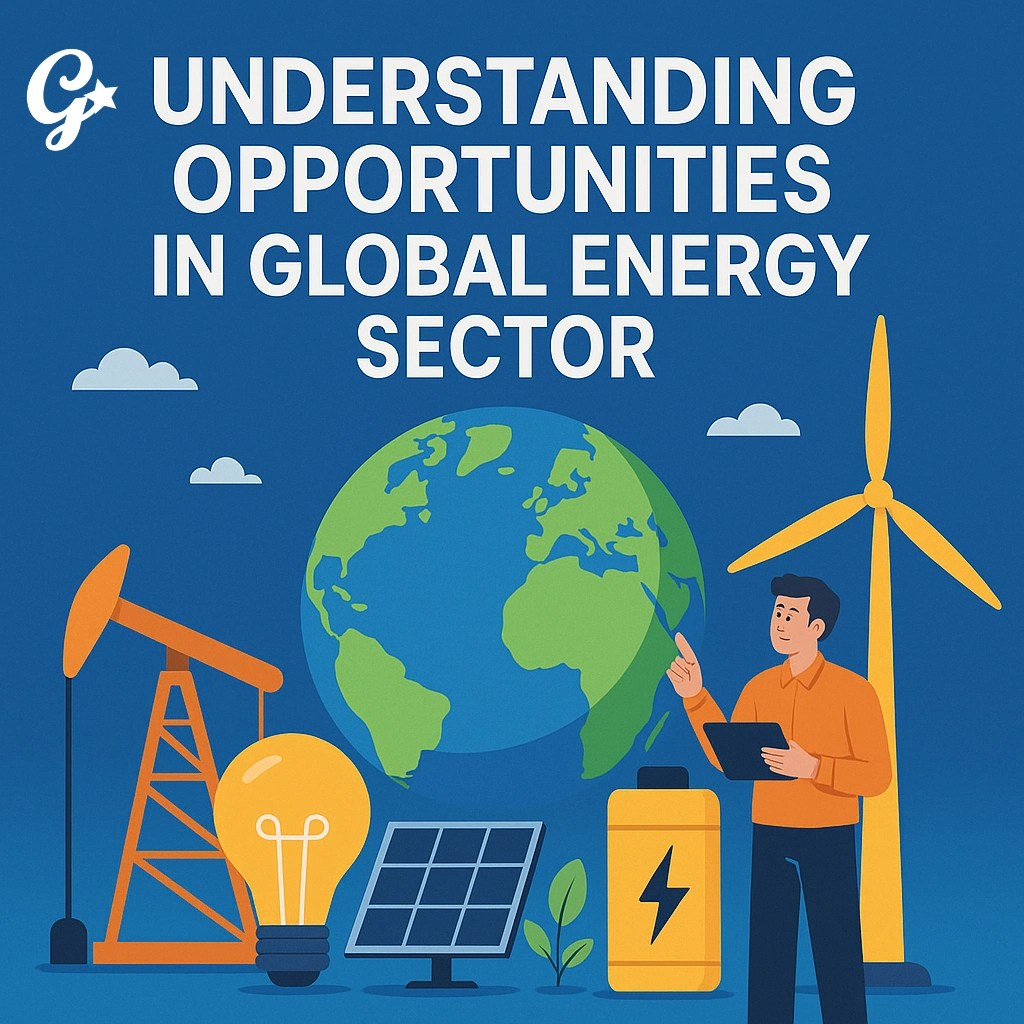
Let’s explore how global energy shifts open new pathways for innovation and growth.
Across the world, energy systems are under pressure, rising demand, unreliable supply, high costs, limited grid coverage, and heavy dependence on fossil fuels have created visible gaps in access, efficiency, and sustainability.
These challenges are what opened doors for new solutions such as renewable energy, mini grid, digital monitoring tools, local manufacturing, and alternative business models. Nigeria faces similar gaps, not a major “shift”, but a gradual change in energy landscape. To respond, the Electricity act 2023 was enacted.
Table of Contents
The Electricity Act of 2023
What the Act did was to consolidate and expand the sector by allowing states, private investors, and innovators to legally participate in power generation, transmission, and distribution. This decentralisation creates spaces for better service delivery and encourages responses to local needs.
Therefore, every opportunity emerging in the energy sector today is directly connected to a gap: limited grid access creates room for mini-grids; high import costs create space for local manufacturing; poor data and energy losses demand digital tools; unemployment creates a need for energy-focused training.
Understanding these links is key to understanding where the future of energy is headed globally and in Nigeria.
Key Opportunities/Areas of Development
The following opportunities/areas are shaping the future of energy globally:
1. Energy Transitioning:
The energy system is undergoing big changes, with more focus on clean, reliable energy and reducing carbon emissions. This creates opportunities in solar, wind, hydro, biomass, and electric vehicles. The transition to green energy also boosts economic growth and attracts investment in new technologies.
2. Technology:
The energy sector is rapidly involving with cutting edge technologies driving sustainability efficiency and resilience. Digital tools are improving how energy is produced, monitored and delivered.
The emerging opportunities includes smart grid and grid automation, energy apps and digital monitoring. At the end the future of energy is not only about power it’s about information.
3. Industrial opportunities
Energy demand will keep increasing with urbanization and industrial growth, Therefore, there is a growing need for energy efficient equipment for industries, green buildings and sustainable construction as energy is not just a sector, it’s a foundation for industrial development.
4. New Business Models:
Big power companies and government utilities still largely control the energy sector, but the landscape is gradually changing, creating space for new ways of providing electricity.
This includes opportunities such as pay-as-you-go energy systems, mini-grids for communities and businesses, and other innovative service models, driven by the increasing decentralization, competition, and market participation encouraged by recent reforms.
5. Skills and workforce:
As the sector changes, the workforce is also changing, there are opportunities in renewable energy, digital skills and sustainability focused roles. This is because energy is no longer about infrastructure but also about the people.
Final thoughts
The global energy sector is not only changing—it is expanding. The gaps in current systems have created new markets and opportunities.
The Electricity Act 2023, by providing legal space for participation, positions Nigeria to gradually build a more inclusive and innovative energy landscape.
Those who understand the connection between the problems and the opportunities lead the next phase of development.
Read Also: Benefits Of Adopting Renewable Energy For Overall Energy Security