Table of Contents
Bank Clearing House
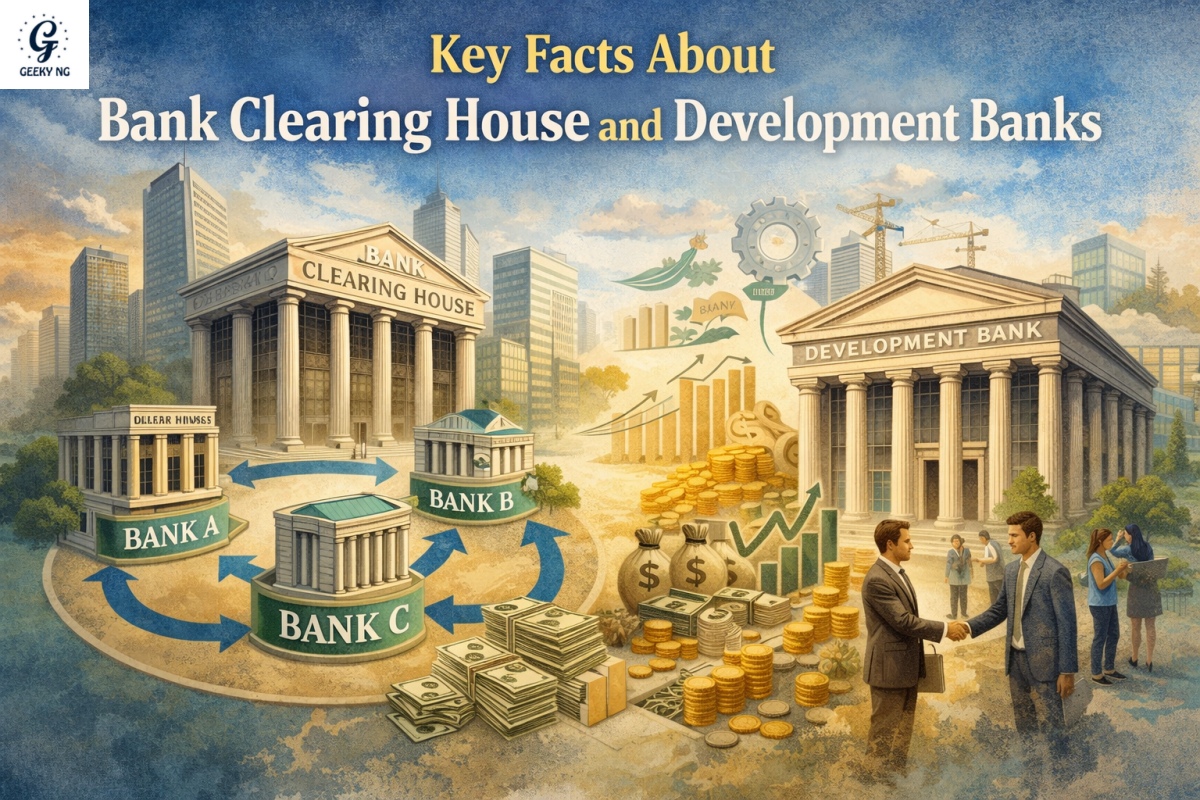
A bank clearing house is a central place where banks meet to exchange cheques and other payment documents so that money can move from one bank account to another smoothly. It helps banks settle the amounts they owe one another without carrying physical cash. By bringing all banks together to confirm and balance their transactions, the clearing house makes the payment system faster, safer, and more organised.
Types of Bank Clearing House
- Central Clearing House: A central clearing house is usually managed by the central bank of a country. It serves as the main meeting point where all commercial banks bring cheques, drafts, and other payment documents for settlement. When customers of different banks issue cheques to one another, the central clearing house helps to sort these cheques and calculate what each bank owes or is owed. After this calculation, the banks settle their accounts through their balances with the central bank. This makes payment between banks faster, safer, and more organised.
- Private Clearing House: A private clearing house is set up and managed by commercial banks themselves rather than the central bank. It is used mostly in large cities where there are many bank branches. The purpose is to speed up the clearing of cheques, especially when the central clearing house may be too busy or too far away. Member banks meet at the private clearing house to exchange cheques and settle balances among themselves before sending the final figures to the central bank. This arrangement helps reduce delays and makes banking operations more efficient.
Development Banks
A development bank is a financial institution created to provide long-term funds for projects that help a country grow. It focuses on areas like agriculture, industry, transportation, housing, and other sectors that support national development. Development banks usually give loans at rates that are easier to repay, offer advice to investors, and support projects that may not attract ordinary commercial banks. Their main aim is to promote economic growth and improve living standards.
Functions Of Development Banks
- Provide Loans For Long-Term Projects: Development banks give long-term loans that regular commercial banks usually cannot provide. These loans are used for projects such as building factories, constructing roads, improving agriculture, and setting up new industries. Because these projects take many years to complete and do not bring quick profits, development banks offer patient capital that supports national growth. Their long repayment periods help investors start big projects without pressure.
- Support Industries and Agriculture: Development banks provide special financial help to industries and the agricultural sector, which are important for economic development. They give loans for buying machines, expanding farms, improving storage facilities, and processing farm products. They also support new industries that may not yet be strong enough to get funds from commercial banks. By doing this, they help increase production, create jobs, and improve the flow of goods in the economy.
- Promote Economic Development: One of the main roles of development banks is to help the country grow. They fund projects that improve the standard of living, such as transportation, power supply, and water systems. They support sectors that encourage industrialisation and economic diversification. By financing these key areas, they help reduce poverty and improve national development.
- Give Technical Advice to Investors and Companies: Development banks do not only provide money, they also guide investors. They help in planning projects, choosing the right technology, and managing finances. They carry out research and feasibility studies that help companies make wise decisions. Their advice increases the chances of project success because investors get expert information and support.
- Support Small and Medium Enterprises: Many small and medium businesses cannot get loans from commercial banks because they may lack collateral or have limited financial records. Development banks step in to support them through special loan schemes and training programmes. They help entrepreneurs start and grow their businesses. This support strengthens the economy because SMEs create jobs, encourage innovation, and reduce unemployment.
Objectives Of African Development Bank (AfDB)
- Promote Economic Growth in African Countries: The AfDB works to raise the standard of living in African countries by supporting projects that grow the economy. It invests in key areas such as agriculture, power, industries, transport, and technology. These projects help increase production, create jobs, and improve income levels. By doing this, the bank helps African countries build stronger and more stable economies.
- Reduce Poverty in Africa: One of the main goals of the AfDB is to reduce the high levels of poverty on the continent. The bank supports programmes that help poor communities get access to water, roads, schools, hospitals, and electricity. It also supports training and employment projects that help people earn more money. When people have better access to services and opportunities, their living conditions improve and poverty reduces.
- Support Infrastructure Development: The AfDB focuses on building infrastructure that African countries need to grow. These include roads, bridges, railways, airports, power plants, and water supply systems. Good infrastructure makes it easier for businesses to operate and for people to move goods and services. It also attracts investors and supports regional trade. By funding these projects, the bank helps countries develop faster.
- Encourage Regional Cooperation Among African Countries: The AfDB supports projects that connect African countries and encourage them to work together. These include cross-border highways, power-sharing projects, and trade agreements. By promoting cooperation, the bank helps countries share resources, reduce conflict, and grow together. Regional cooperation also makes trade easier and strengthens the African economy as a whole.
- Give Loans and Grants to Member Countries for Development Projects: The AfDB gives financial support to African governments and private organisations so they can carry out important development projects. These funds come as loans, which must be repaid, or grants, which do not require repayment. The bank also gives expert advice on how to plan and manage projects. By offering financial and technical support, the AfDB helps countries complete projects that improve lives and boost economic growth.
Summary
- Bank clearing houses help banks exchange payments and settle cheques efficiently.
- Development banks provide long-term loans to support economic growth and development.
- African Development Bank aims to reduce poverty and promote infrastructure in Africa.
Tags
Bank Clearing House, Central Clearing House, Private Clearing House, Development Banks, African Development Bank (AfDB)
Read also: Cheque: A Banking Instrument