278
Table of Contents
Learning Objectives:
By the end of the lesson, students should be able to:
- State the functions of a wholesaler to the manufacturer
- State the functions of a wholesaler to the retailer
Functions Performed by the Wholesaler to the Retailer
The wholesaler performs important functions to the retailer, which are:
- Breaking Bulk: Breaking bulk refers to the process by which the wholesaler buys goods in large quantities from the manufacturer and then sells them in smaller quantities to retailers. Most retailers do not have enough capital or storage space to buy goods in bulk. By breaking bulk, the wholesaler makes it possible for retailers to purchase only the quantities they need. This helps retailers to manage their stock easily, reduce waste, and serve consumers better.
- Credit Facilities: Wholesalers often provide credit facilities to retailers by allowing them to take goods and pay later. This is very important for retailers who may not have enough cash to pay immediately. Credit helps retailers to continue their business operations without interruption. It also enables them to sell goods, make profit, and later repay the wholesaler. This support helps small retailers to grow and remain in business.
- Regular Supply: Wholesalers ensure a regular and steady supply of goods to retailers. They keep large stocks of goods in their warehouses and supply retailers whenever there is demand. This helps retailers to avoid running out of stock, which could lead to loss of customers. Regular supply also allows retailers to plan their sales properly and meet the needs of consumers at all times.
- Transportation Assistance: Wholesalers assist retailers by helping with the transportation of goods. In many cases, wholesalers transport goods from their warehouses to the retailers’ shops. This reduces transportation costs and stress for retailers. It also saves time and ensures that goods are delivered safely and promptly. Transportation assistance makes it easier for retailers to focus on selling rather than worrying about moving goods.
- Provision of Variety: Wholesalers provide a wide variety of goods to retailers. They buy different types and brands of products from various manufacturers. This allows retailers to stock different goods in their shops without having to deal with many manufacturers. By providing variety, wholesalers help retailers to meet the different tastes and preferences of consumers, which can increase sales.
- Advice and Information: Wholesalers give useful advice and information to retailers about the market. They inform retailers about new products, changes in prices, and consumer demand. This information helps retailers to make good business decisions, such as what goods to stock and when to restock. Advice from wholesalers helps retailers to reduce losses and improve their overall performance.
Summary
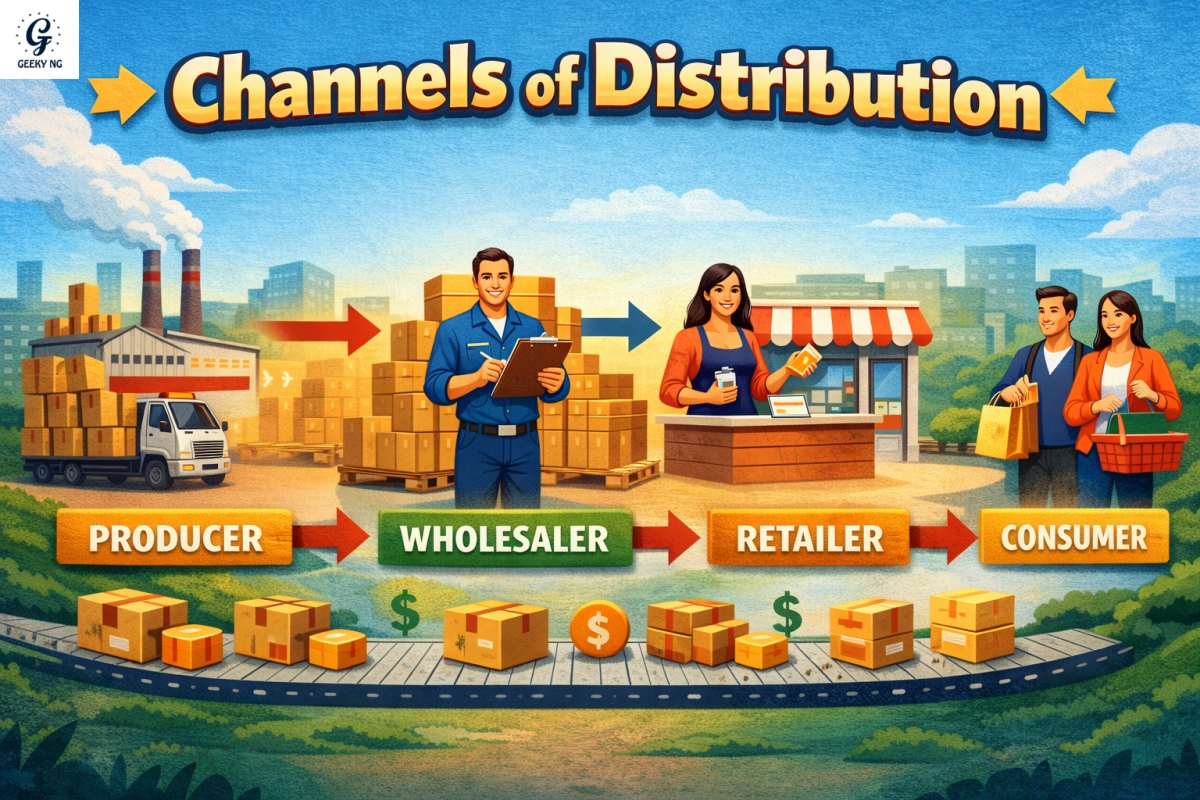
- Wholesalers help manufacturers by buying in bulk, storing goods, bearing risks, and distributing products to different markets.
- Wholesalers assist retailers by supplying goods in small quantities, granting credit, and ensuring regular availability of products.
Tags
Breaking bulk, Bulk purchase, Supply of goods, Credit facilities, Risk bearing, Warehousing, Market information, Goods and services, Final consumer.
Read also: Small-Scale Retailing: Types and Reasons for Survival
Was this article helpful?
Yes0No0