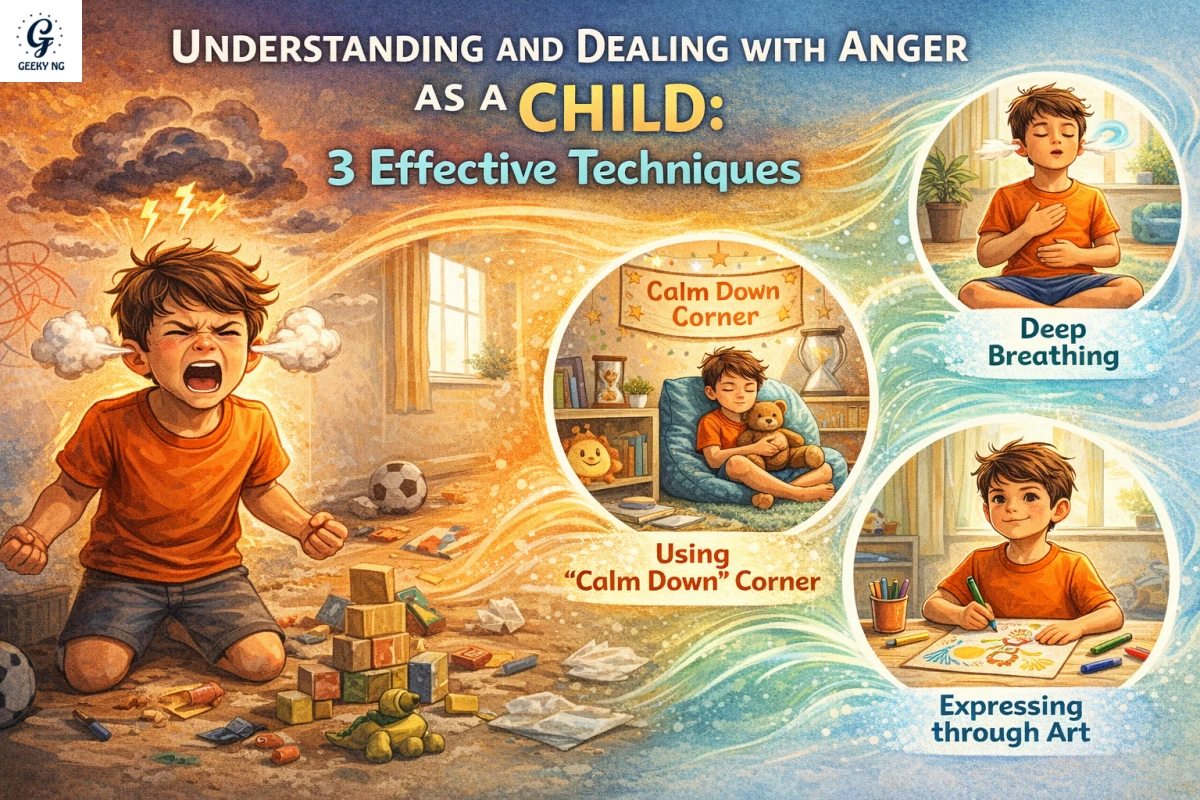
Anger is universal; everyone, even young ones, experiences it. It is a normal but strong emotion.
Kids can have difficulty understanding and controlling their anger, even though it’s typical for them to experience it occasionally. For their emotional growth and well-being, they must learn constructive coping mechanisms for their anger.
This article looks at anger and effective methods for teaching kids how to recognise and control their rage.
Table of Contents
Why Do Kids Get Angry?
Anger in children may arise from a number of factors, such as:
1. Frustration:
Children may experience anger and frustration when they are unable to finish an activity or reach a goal. These emotions may arise, for instance, from failing a class or a game.
2. Injustice:
Feeling left out or accused of something they didn’t do are two examples of perceived unfairness that can incite rage.
3. Helplessness:
Children may become irate in circumstances where they feel helpless, such as when they are unable to communicate their wants or feelings.
4. Jealousy:
Being envious of siblings or classmates who get more praise or benefits might make one feel irate.
5. Fear and Anxiety:
Anger can arise from situations that cause fear or anxiety, such as moving to a new location or dealing with a bully.
Teaching Kids About Anger
Children must comprehend what anger is and why they feel it before they can learn how to control it. The following techniques can assist kids in understanding this complicated feeling:
1. Encourage Children to Manage Their Emotions:
Kids pick up skills by watching adults. Teach children acceptable ways to vent their feelings, such as deep breathing, speaking calmly, or leaving a tense situation.
2. Normalise the Emotion:
Tell them it’s normal to feel furious from time to time and that everyone experiences this emotion. Reiterate that what matters is how they respond to the emotion, not the feeling itself.
3. Teach Emotional Vocabulary:
Assist kids in acquiring a language to express their feelings. Give them labels like “angry,” “frustrated,” “annoyed,” or “upset” to aid in identifying their emotions.
Talk to kids about their triggers and what enrages them. They can anticipate and control their reactions if they are aware of their triggers.
Techniques for Controlling Anger in Children
Children can learn appropriate coping mechanisms for their anger once they have an understanding of it. Here are a few helpful techniques:
I. Deep Breathing:
Instruct kids to inhale slowly and deeply whenever they feel angry. This may assist in calming their body and mind.
ii. Teaching youngsters to Count:
Teach youngsters to wait until they have tallied ten or more before responding to an event. They can utilise this break to gather their thoughts and decide on a better course of action.
iii. Exercise:
Running, jumping, or participating in sports are examples of physical activities that might help release pent-up energy and lessen rage.
Helping Kids Feel Better Through Anger
Helping kids learn to control their fury is our responsibility as parents, guardians, and educators. To help youngsters, consider the following:
1. Give Children Reassurance:
Tell them that you are here to support them and that it’s acceptable to be angry. Inform them that errors are made by everyone.
2. Pay Attention Carefully:
When kids talk about their feelings, give them your whole attention. Offer them emotional validation by expressing understanding with statements such as “I understand you’re angry.”
3. Establish definite Boundaries:
Define exactly what is appropriate behaviour when expressing rage. Speaking about one’s feelings is encouraged, but hitting or yelling at others is not.
4. Keep Calm:
Angry responses to children’s outbursts might make things worse. Act appropriately by remaining composed and calm.
Conclusion
Keep in mind that the objective is to give kids the skills they need to express and control their fury rather than to completely eradicate it. We can assist kids in managing their anger and developing into emotionally mature adults by being patient, empathetic, and providing direction.
Read also: Dealing With Negative Emotions: Which Way Out ?