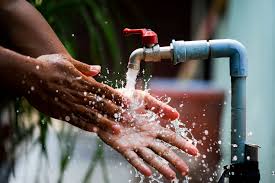
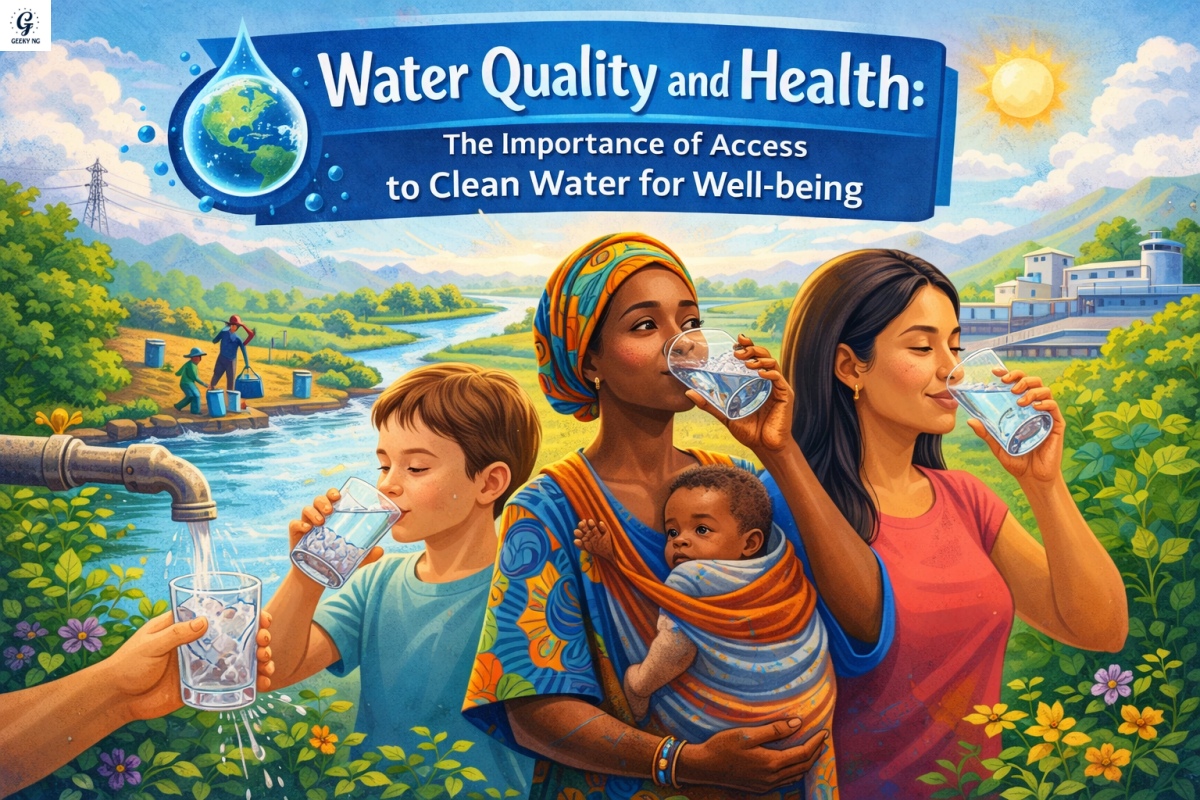
Millions of people worldwide still lack access to safe drinking water.
Water quality plays a crucial and impacting role in healthy living, ranging from disease prevention, to child development and economic productivity.
Contaminated water is responsible for the spread of deadly diseases, while clean water supports hydration, sanitation and overall well-being.
This article explores the significant connection between water quality and health, the challenges in ensuring access to safe water and the necessary solutions to protect communities around the world.
The Link Between Water Quality and Health
Waterborne Diseases
Dirty water is a breeding ground for pathogens that can cause life-threatening diseases.
According to the World Health Organisation (WHO), more than 2 billion people worldwide consume water that is contaminated with fecal matter. This contamination leads to a range of serious illnesses, including:
Cholera: A severe diarrheal disease that can kill within hours, if not treated.
Dysentery & Typhoid: Caused by harmful bacteria like Shigella and Salmonella.
Hepatitis A: A liver infection that spreads through water polluted with human waste.
These diseases are especially deadly for children. An estimation of 485,000 annual deaths among children under the age of five, has been linked to poor water quality (WHO).
Contaminated water also weakens immune systems, making individuals more vulnerable to other infections.
Chemical Contaminants
In addition to microbial contamination, water can contain harmful chemicals that pose serious health risks. Some common chemical contaminants include:
Heavy Metals: Lead, often found in old pipes, can cause brain damage, particularly in children. Also, arsenic, which naturally occurs in groundwater in some areas, is linked to cancer and skin lesions.
Industrial Waste: Factories that dump toxins such as mercury into water sources contribute to kidney damage and by extension, causing serious damage to the nervous system.
Agricultural Runoff: Pesticides and fertilizers used in farming can leach into water supplies, increasing the risk of cancers and reproductive problems.
Exposure to these chemicals often leads to long-term health issues, including cancer, neurological disorders and developmental delays, affecting not only individuals but also future generations.
Malnutrition: Waterborne diseases reduce nutrient absorption in the body, leading to poor health and stunted growth.
Developmental Delays: Children exposed to toxins like lead or arsenic may experience developmental delays, lower IQ and learning disabilities.
Economic Burden: The cost of treating water-related illnesses often depletes family finances, limiting resources for education, business and other essential needs.
Global Challenges in Access to Clean Water
Water Scarcity & Pollution
Over 2.2 billion people around the world lack access to safely managed drinking water (UN). Several factors contribute to this crisis:
Drought & Climate Change: Rising temperatures and changing weather patterns are drying up water sources, particularly in regions already suffering from water scarcity.
Pollution: Industrial waste, agricultural runoff and untreated sewage are major contributors to water contamination. Polluted rivers, lakes and groundwater make water sources unsafe for consumption.
Lack of Infrastructure: Many rural areas still rely on unsafe wells or have to travel long distances to access clean water. Inadequate infrastructure, particularly in developing countries, hinders efforts to provide safe drinking water to all.
Socioeconomic & Environmental Barriers
Access to clean water is often hindered by a combination of socioeconomic and environmental challenges:
Poverty: Low-income communities often cannot afford water filtration systems or the cost of water treatment. In some areas, people have to rely on expensive bottled water, further increasing their financial strain.
Gender Inequality: In many parts of the world, women and girls bear the responsibility of collecting water. This task often involves walking long distances to fetch water, which means less time for education or paid work.
Weak Governance: Corruption, poor governance and lack of political will can delay or derail water projects, leaving communities without access to clean water for extended periods.
Benefits of Clean Water for Health & Well-being
Preventing Disease
Access to clean water can significantly reduce the spread of waterborne diseases. Studies have shown that clean water can lower diarrhea deaths by up to 50% (Centers for Disease Control and Prevention – CDC).
Additionally, it helps prevent parasitic infections like Guinea worm disease, which affects millions, particularly in sub-Saharan Africa.
Improving Nutrition and Food Security
Clean water is essential for proper nutrition and food security. It is needed not only for drinking but also for growing crops and cooking food safely.
Contaminated water can lead to malnutrition by causing illness, which reduces nutrient absorption. When communities have access to safe water, they are better equipped to produce and prepare nutritious food.
Enhancing Quality of Life
Access to clean water improves overall quality of life in various ways:
More Time for Education and Work: In many regions, women and children spend hours each day fetching water. When clean water is available nearby, families save time, allowing children to attend school and adults to work or engage in other productive activities.
Better Mental Health: The anxiety and stress caused by water insecurity can negatively affect mental health. Having reliable access to clean water reduces this stress, leading to improved well-being for individuals and families.
Solutions for Clean Water Access
Better Infrastructure and Technology
To ensure access to clean water, investments in infrastructure and technology are essential. Some solutions include:
Water Filters: Affordable water filtration systems, such as ceramic or ultraviolet (UV) filters, can provide immediate relief in areas without safe water sources.
Piped Water Systems: Governments and non-governmental organisations (NGOs) must invest in reliable water distribution systems, ensuring that clean water reaches homes, schools and health centers.
Stronger Policies and Global Cooperation
Efforts to improve access to clean water require coordinated action on local, national, and global levels:
UN Sustainable Development Goal 6 aims to ensure universal access to clean water by 2030. This goal emphasises the need for robust water management systems, effective policies and international cooperation, in solving the water crisis.
Strict Pollution Laws: Governments should enforce regulations to prevent industries from dumping harmful waste into water sources. Effective penalties for violators can incentivise companies to adopt cleaner practices.
Community Education & Involvement
Local communities play a crucial role in maintaining clean water sources and improving water access. Some strategies include:
Hygiene Training: Educating communities about proper sanitation and hand washing can significantly reduce the spread of waterborne diseases.
Local Water Committees: Empowering communities to manage their water resources fosters long-term sustainability. Local committees can oversee water collection, distribution and maintenance, ensuring that water sources are protected and accessible.
Final Thoughts
Clean water is not just a resource; it is a lifeline for health, dignity and economic growth. While significant challenges remain, there are solutions that can improve water access and quality worldwide.
Investments in infrastructure, stronger policies and community involvement, are all critical factors in ensuring clean water for all.
By addressing these issues, we can prevent disease, empower communities and build a healthier, more prosperous future for everyone. Access to clean water is not just a public health issue, it is a fundamental human right that we must work together to protect.