You’ve heard it a thousand times: drink eight glasses of water daily. Your fitness app reminds you, your smartwatch tracks it, and wellness influencers preach it religiously. But here’s the truth that might surprise you: this one-size-fits-all advice isn’t exactly backed by science.
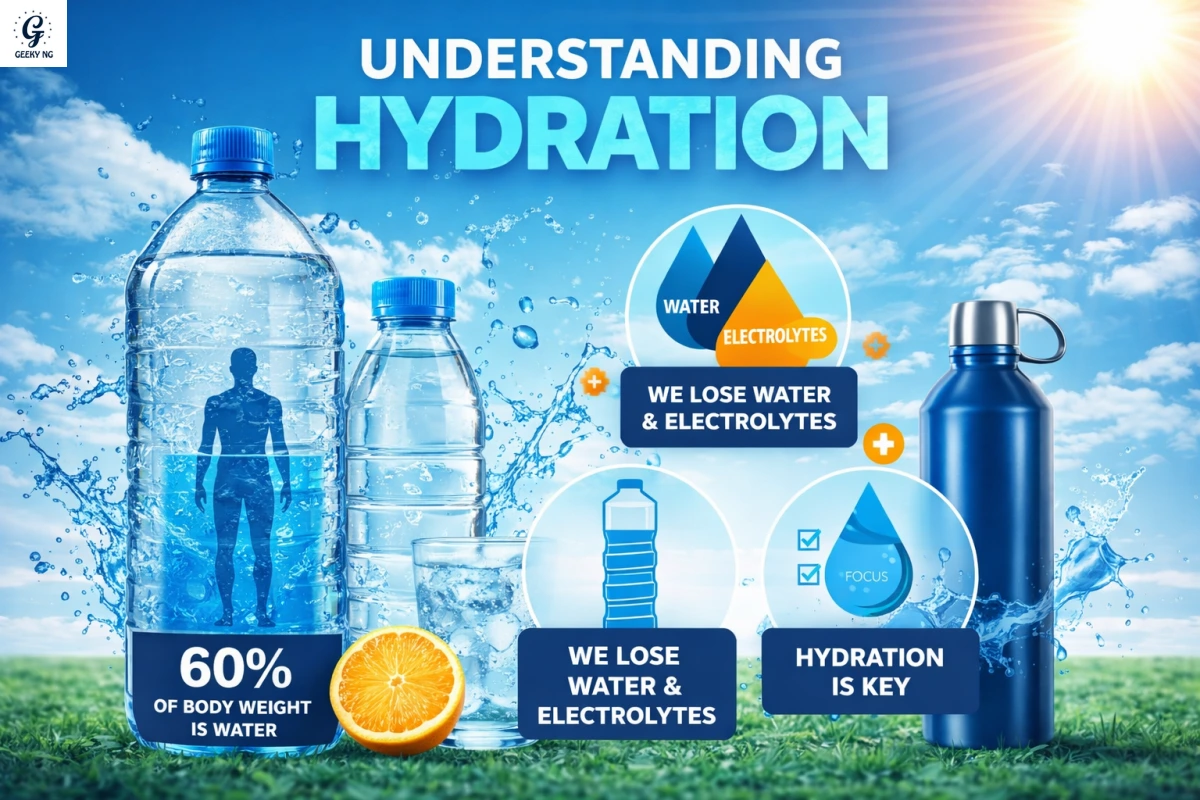
Your body is roughly 60% water, and staying properly hydrated is essential for everything from regulating your temperature to cushioning your joints and flushing toxins from your organs. The question isn’t whether hydration matters, because it absolutely does. The question is: how much water do you actually need?
The answer is more personalized than you might think.
Table of Contents
The Science Behind Hydration Recommendations
The National Academy of Medicine recommends approximately 15.5 cups daily for men and 11.5 cups for women; that’s about 3.7 liters for men and 2.7 liters for women. But here’s what’s often overlooked: about 20% of your daily fluid intake comes from water-rich foods like fruits and vegetables, not just beverages.
Individual water needs vary dramatically based on factors that go far beyond simple glass counts.
What Affects Your Hydration Needs?
Climate and Physical Activity
Living in hot, humid climates like Lagos means you’ll lose more fluids through sweat than someone in cooler regions. Higher altitudes and heated indoor environments also increase hydration needs.
Physical activity dramatically changes your requirements. Office workers need less water than athletes or people working outdoors and research shows that dehydration impairs cognitive performance in athletes, affecting reaction time and focus. If you exercise regularly; hydrate before, during, and after workouts, not just when you feel thirsty.
Age and Life Stage
Pregnant women should aim for about 10 cups daily, while those who are breastfeeding need approximately 12 cups. Your body is literally producing fluids for two people.
Children need 6 to 8 cups daily, though their exact requirements depend on age, weight, activity level, and climate. Older adults face a particular challenge: studies show that dehydration prevalence among American seniors ranges from 17% to 28%, partly because the body’s thirst signals decline with age.
Health Conditions
Certain medical conditions affect how much water you need. Diabetes can increase urination and fluid loss. Fever, vomiting, or diarrhea rapidly depletes your body’s water stores. Some medications, particularly diuretics, increase how often you urinate.
If you have heart failure or specific kidney conditions, you might actually need to limit fluid intake. Always consult your healthcare provider about your specific situation.
Recognizing Dehydration – The Warning Signs
Your body sends clear signals when it needs more water. Common symptoms of mild to moderate dehydration include feeling thirsty (by the time you feel thirsty, you’re already slightly dehydrated), experiencing headaches, having a dry mouth, feeling tired or fatigued, and noticing darker urine.
Here’s a simple hydration check: look at your urine color. Pale yellow, like lightly colored lemonade, indicates good hydration. Dark yellow or amber usually means you need to drink more water immediately.
More severe dehydration symptoms require immediate medical attention, and these include dizziness or lightheadedness, confusion or altered mental state, rapid heartbeat, very dark urine or not urinating for many hours, and feeling extremely weak.
Dehydration can lead to serious complications like kidney stones, urinary tract infections, heat stroke, and even seizures if left untreated.
The Other Side: Can You Drink Too Much Water?
While rare, overhydration is possible and can be dangerous; this condition, called hyponatremia, occurs when you drink so much water that your blood’s sodium levels become dangerously diluted.
Athletes who lose salt through sweat and then consume excessive amounts of plain water are particularly vulnerable. Symptoms of overhydration include nausea, vomiting, headache, confusion, frequent urination with very clear urine, and swelling in hands, feet, or face.
In all, the key is balance.
Practical Hydration Strategies
Office Workers: Keep a refillable water bottle at your desk and set reminders if needed. Drinking water throughout the day may help avoid unnecessary snacking, as many people mistake thirst for hunger.
Athletes: Hydrate before exercising, sip during activity, and replenish afterward. For intense workouts over an hour, consider electrolyte beverages.
Parents: Model good habits for children by drinking water together. Keep water bottles accessible in bags, cars, and visible spots at home.
Older Adults: Since thirst signals may be unreliable, establish routines. Fill a large water bottle each morning or drink a full glass with each meal.
Beyond Plain Water: What Counts?
Most fluids count toward your daily intake. Coffee and tea contribute to hydration, as research shows moderate caffeine doesn’t cause dehydration as once believed. Milk, herbal tea, and broths all help.
However, sugary drinks and alcohol require caution. Alcohol is dehydrating because it increases urination. Water-rich foods like cucumbers, watermelon, tomatoes, strawberries, and celery provide hydration alongside essential nutrients.
Listen to Your Body
The most reliable hydration strategy? Pay attention to your body’s signals. If you’re not feeling thirsty, your energy levels are good, and your urine is pale yellow, you’re probably well-hydrated. If you experience frequent headaches, feel constantly tired, or notice dark urine, increase your water intake.
Your specific needs will change day-to-day based on weather, activity, health, and what you eat. That’s perfectly normal, as the goal isn’t to hit an arbitrary number; it is to provide your body with adequate fluids to function optimally.
Water is life, quite literally. Understanding that hydration is individualized rather than universal empowers you to make better choices for your unique needs. Start where you are, make adjustments based on how you feel, and remember that the best hydration routine is one you can maintain long-term.
Whether you’re crushing workouts, navigating traffic, or working from home, proper hydration supports every system in your body, and the question isn’t just how much water you need; it is how well you’re listening to what your body is telling you.
Read also: Building Hydration Habits