Edited by Olatunji Eunice and Toluwalase Solanke
Table of Contents
Who is an entrepreneur?
Entrepreneur is a fancy word for someone who starts their own business, big or small. From the richest grown-ups to the coolest kids, anyone can be an entrepreneur if they have a great idea and are willing to work hard to make it happen. The best part? You get to be the boss of your own teeny-tiny company!
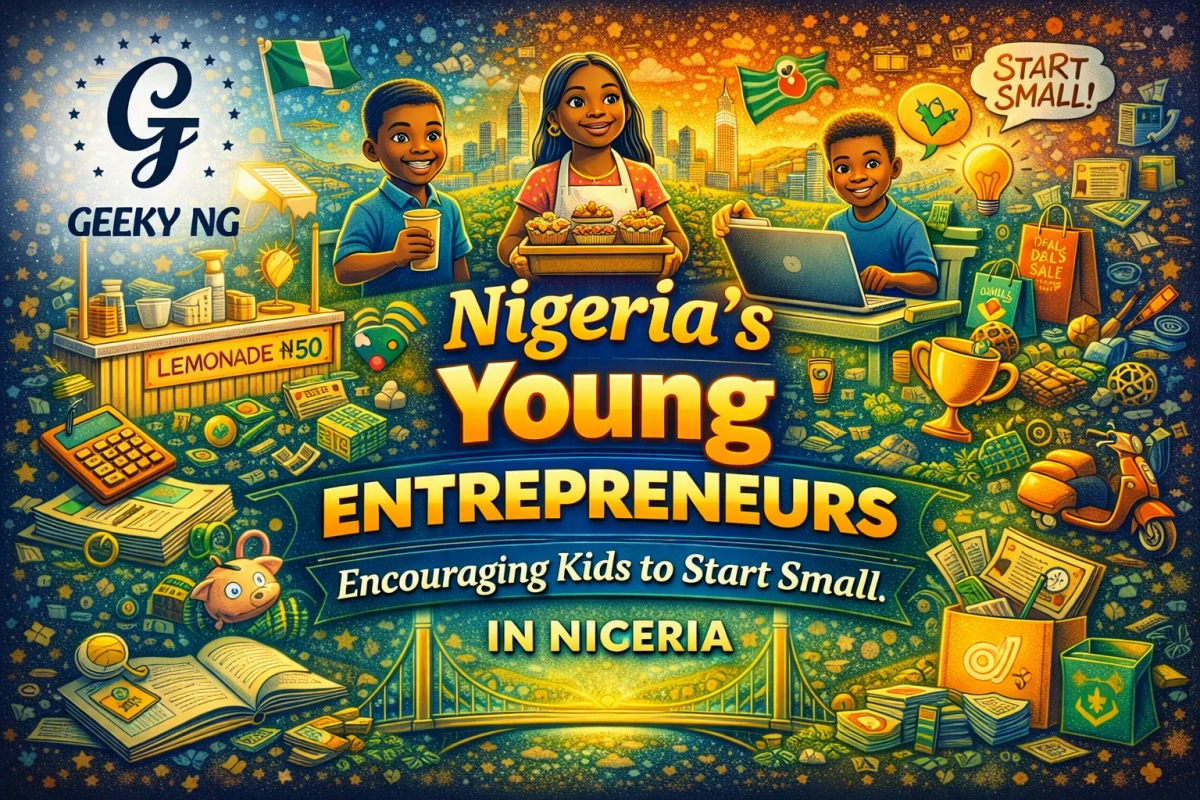
Nigeria is a country filled with talent, creativity and resilience. Across its bustling cities and rural towns, young people are increasingly stepping into the world of entrepreneurship. While discussions about entrepreneurship often focus on university graduates and youth in their twenties, a quiet but powerful movement is happening among children and teenagers who are learning to build businesses from a young age. Encouraging kids to “Start Small” not only nurtures innovation but also prepares them to be financially independent, solution-driven and job creators in the future.
This article explores why it is very important to encourage young Nigerians to embrace entrepreneurship early, the benefits of starting small, inspiring examples, challenges, and practical ways parents, schools and communities can support this journey.
Why Kids Should Start Small
The idea of children venturing into entrepreneurship may sound unusual at first. However, “starting small” does not mean launching a big company; it means teaching kids to turn their skills, creativity, and passions into simple business activities they can manage alongside their studies.
For example, A 10-year-old who enjoys baking can sell cupcakes in the neighbourhood or in school. A teenager skilled in drawing can create custom greeting cards. These small steps teach children responsibility, money management and the value of hard work. Starting small also helps them build confidence, while preparing them to face bigger challenges in life.
In a country like Nigeria, where unemployment is a major concern, early entrepreneurial training can set children apart. It prepares them to think differently, solve problems creatively, and seize opportunities rather than waiting for them to come.
Benefits of Early Entrepreneurship
- Financial Literacy
When kids engage in small businesses, they learn the basics of saving, investing and reinvesting profits. This gives them a strong foundation in financial literacy, which many adults struggle with. - Confidence and Independence
Running a small venture helps children build self-confidence. They learn to interact with customers, market their products and make decisions. This independence can shape them into leaders. - Problem-Solving Skills
Every business faces challenges, no matter how small. Kids who sell snacks or make crafts will quickly learn how to deal with shortages, customer complaints, or pricing issues. This builds resilience and problem-solving skills. - Creativity and Innovation
Children naturally have curious and creative minds. When guided, they can channel this creativity into innovative business ideas, turning simple hobbies into sustainable projects. - Future Career Readiness
Exposure to entrepreneurship at an early age makes kids adaptable. Whether they later choose to run their own businesses or work for others, the skills learned will remain invaluable. - Inspiring Examples in Nigeria
Nigeria already has inspiring stories of young entrepreneurs making waves. Some kids have started online craft stores, fashion lines, and digital services while still in school. Others have used social media platforms like Instagram and TikTok to showcase their skills in makeup, design, or art.
Let’s take an instance, a 13-year-old in Lagos once made headlines for selling customized beaded jewellery to support her education. In Abuja, teenagers have launched mini-tech clubs where they design websites and apps for local businesses. These stories show that starting small is possible and impactful.
Major Challenges Young Entrepreneurs Face
While the opportunities are exciting, young entrepreneurs also face several challenges:
- Limited Resources: Kids often lack startup capital and depend on parents or guardians for support.
- Balancing School and Business: Education must remain a priority, so children need guidance on time management.
- Lack of Mentorship: Many kids with business ideas lack role models or mentors to help them grow.
- Cultural Mindset: Some parents believe children should focus only on academics and view business as a distraction (which is wrong).
- Legal Restrictions: Certain laws and regulations limit the ability of minors to formally register businesses.
Despite these challenges, with the right support systems, young entrepreneurs can thrive.
The Role of Parents and Guardians
Parents play a crucial role in encouraging entrepreneurship among kids. Instead of dismissing a child’s interest in business, parents should be willing to provide guidance, mentorship, and small financial support to get started. For Instance, if a child wants to sell snacks, parents can help with the initial ingredients. They can also teach basic money management, such as saving part of the profit.
Most importantly, parents should encourage balance in ensuring that business activities do not interfere with education. Entrepreneurship at a young age should complement learning, not compete with it.
The Role of Schools and Communities
Schools are an excellent platform for nurturing the entrepreneurial spirit in children. Introducing entrepreneurship as a subject in primary and secondary schools can expose children to business concepts early. Schools can also organise business fairs, where students showcase and sell products.
Communities, on the other hand, can also support by creating safe spaces such as local markets or youth business clubs where kids can practice entrepreneurship. Religious organizations and youth centres can also integrate business training into their activities.
Practical Ways to Encourage Kids to Start Small
- Start with Hobbies: Encourage kids to turn their hobbies (drawing, baking, coding) into small projects.
- Teach Savings and Investments: Provide piggy banks or junior savings accounts to help them understand financial growth.
- Expose Them to Role Models: Tell or share stories of young Nigerian entrepreneurs who succeeded.
- Encourage Digital Skills: In today’s world, knowing how to use social media, coding, and online sales platforms is a huge advantage.
- Celebrate Efforts, Not Just Profits: Always praise a child for their creativity, discipline and initiative, even if their businesses make only a little money.
The Bigger Picture: Building Nigeria’s Future Economy
Encouraging kids to embrace entrepreneurship is more than just about making money. It is also about building a generation of independent thinkers who can contribute to Nigeria’s economy. Imagine millions of Nigerian children growing up with the skills to create jobs, solve problems, and compete globally. This will reduce unemployment, increase innovation, and place Nigeria among the leading entrepreneurial nations.
Final Thoughts
Nigeria’s young entrepreneurs are proof that the future is bright when children are given the right opportunities. By encouraging a child to start small, we are planting seeds of innovation, resilience and leadership that will benefit the entire nation. Parents, schools, communities, and the government all have roles to play in nurturing this spirit. When children learn that their creativity and effort can produce real value, they develop not just businesses but also confidence, skills, and hope for a better tomorrow. Indeed, Nigeria’s path to a stronger economy and brighter future may very well begin with the little ventures of its youngest entrepreneurs.
By Nwachukwu Marycynthia