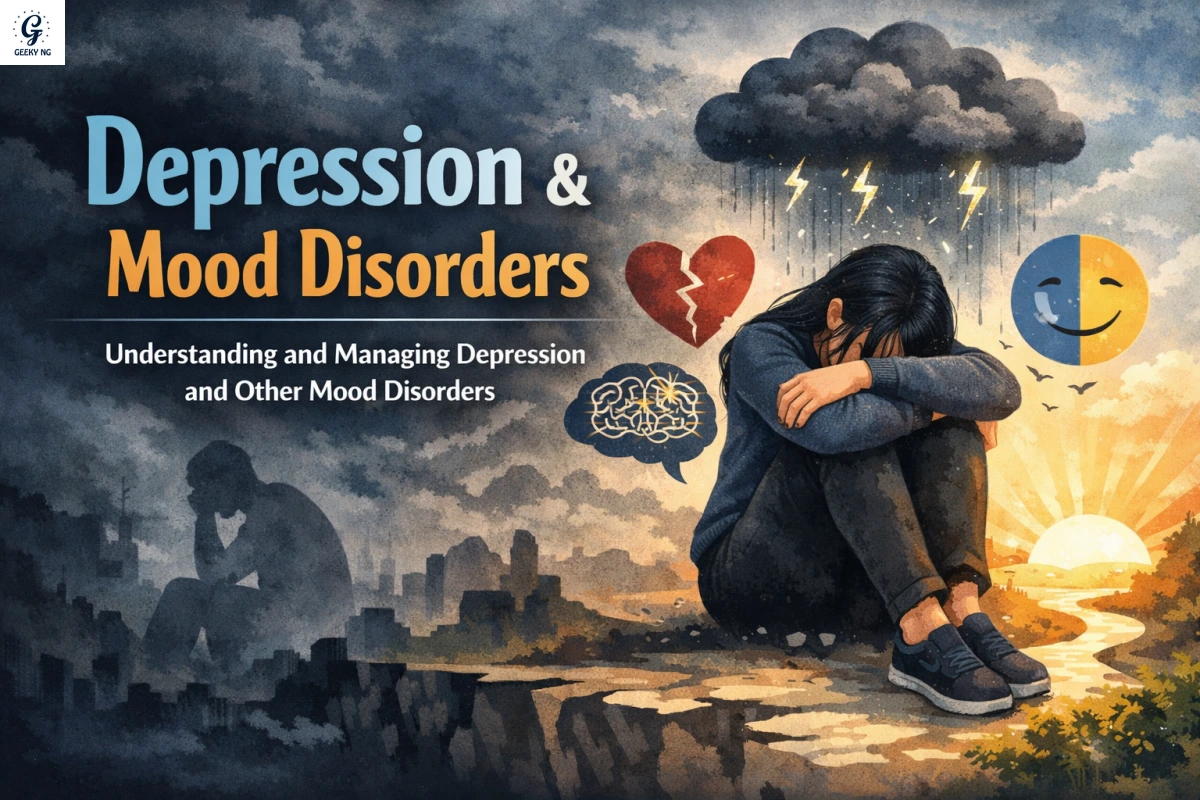
Depression is a mood disorder that causes frequent feelings of sadness and loss of interest in things that used to make you happy, or loss of interest in life in severe cases.
Depression is often underrated, as there are a lot of people who suffer from it but hide it behind a smile. Depression can affect one’s sleep, memory, diet, and general lifestyle. Depression can affect anyone, even children.
It is quite normal to be sad or be in your feelings on some days but being in a depressive mood is a different ball game; For example, you may find yourself sad every day for three weeks in a row, combined with other symptoms.
Depression and mood disorders, if untreated, may last even longer and become severe, which may lead to self-harm or suicide. Mood disorders affect one’s daily functioning, destabilize emotions, affect relationships, and the overall quality of life.
There are other mood disorders aside from depression, like bipolar disorder and other depressive disorders, such as premenstrual dysphoric disorder.
Table of Contents
Types of Depression
1. Major Depressive disorder:
This is very common and the most severe type of depression. The individual feels sad intermittently, and this begins to affect one’s sleep, diet, and lifestyle.
2. Persistent Depressive Disorder
It is a very mild disorder that lasts for at least 2 years, and the symptoms are less severe than major depressive disorder.
3. Disruptive Mood Dysregulation Disorder:
Remember that depression affects anyone. This type of depression starts in children from the age of 10 years, It causes frequent irritations and anger outbursts in children.
There are other major depressive disorders, which include prenatal and postpartum depression, and seasonal depression.
Health Conditions Associated with Higher Rates of Depression
- Stroke
- Seizure disorders
- Multiple Sclerosis
- Parkinson disease
- Cancer
Common Symptoms of Depression
Depression is a serious medical condition that affects mental health. The symptoms vary from person to person, depending on the mildness or severity. Some symptoms include;
- Constant feeling of sadness, irritability, or emptiness
- Loss of interest in your hobbies
- Weight loss or weight gain, as it destabilises one’s diet
- Sleep disorder
- Difficulty concentrating or remembering things
- Feelings of guilt
- Being easily frustrated
- Suicidal thoughts
The causes of depression are complex and may involve a combination of genetic, biological, environmental, and psychological factors. Stressful life events, trauma, chronic illness, and substance abuse can also increase the risk.
Managing Depression and Mood Disorder
Depression is a mood disorder that can be treated using different approaches. Some effective strategies include.
1. Professional Help
Psychotherapy, such as Cognitive Behavioural Therapy (CBT), is a professional approach to managing depression and other mood disorders. It involves talking with a mental health professional. Your therapist helps to recognize and change negative thoughts, emotions, and behaviours.
2. Social Support
Having your loved ones around can help reduce the feeling of being isolated. Also, joining support groups and community activities can be a source of encouragement and could keep you optimistic.
3. Medication
Medicines like antidepressants can be prescribed to help change the brain chemistry that causes depression. You just have to figure out the best type of antidepressant for you.
When you use an antidepressant that you think is not working for you, then you should speak to your doctor for a different prescription.
4. Self-care and Awareness
Engaging in things you like and being kind to yourself help nurture good emotional health. Recognizing early signs of depression can help you treat it faster before endangering your mental health.
5. Brain Stimulation Therapy
Electroconvulsive therapy(ECT), Transcranial Magnetic Stimulation(TMS), and Vagus Nerve Stimulation(VNS) are brain stimulation therapies that can help people with severe depression or depression with psychosis.
Lifestyle Strategies You Can Incorporate to Improve Depression Symptoms;
- Healthy diet
- Avoid drinking alcohol
- Get enough sleep
- Exercise regularly
- Engage with people you care about
Final Thoughts
As common as depression is, it can be prevented, and for those diagnosed with depression, treatments are available.
However, ensure you look out for yourself, try to do things that make you happy, stay optimistic, and keep your mental health in check.
Cheers to good physical and mental health!
Read Also: Best Practices To Overcome Depression